A man ascends a barren summit. It is Judas, come to collect Jesus and carry him down the mountain on his back, joking and panting as he does so. After bathing in the river and taking part in a henna ceremony, Jesus leaves for Jerusalem. Judas is concerned for his friend’s safety, since the Roman occupiers look upon the prophet as an insurgent.
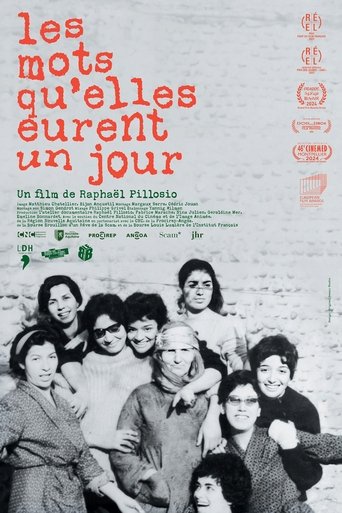
1962, at the end of the Algerian War, Algerian independence activists are released from Rennes prison. For one night, filmmaker Yann Le Masson films them. They tell him their vision for the future of Algeria and the place women must occupy in the new society to be built. Fifty years later, with the soundtrack missing, Raphaël Pillosio sets out to find these women. Two deaf people set about lip-reading the women filmed by Yann Le Masson, revealing snatches of sentences, words cut short by the camera's shifts. An investigative film in which the few activists still alive discover their old testimonies and tell us their silent story. The reconstruction of the lost soundtrack will remain in suspense; no happy ending will come to absorb the absence, to cancel the ferocious operation of time. An essay film about cinema that depicts their disappearance, and forever keeps them alive.
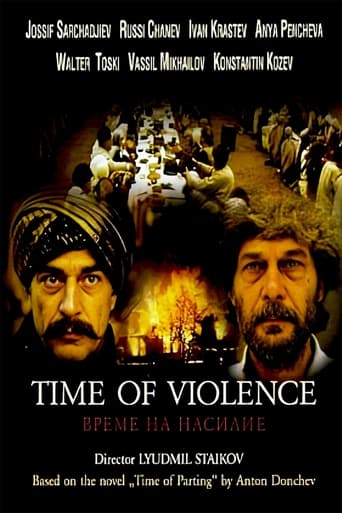
In the 17th century, a Bulgarian Christian region is selected by the Ottoman rulers to serve as an example of conversion to Islam. A Janissary who was kidnapped from the village as a boy is sent to force the reluctant inhabitants to convert. The Turkish governor seeks a peaceful solution, but ultimately torture, violence, and rebellion break out.
A Victorian story about life, death and everything in between.
In 1877 during the Russo-Turkish war the Kingdom of Romania joins the war on Russia's side and declares its independence from the Ottoman Empire.
The Chronicle of 1812
The title is a reference to the Book of Isaiah 42:6, “I, the LORD, have called thee in righteousness, and will hold thine hand, and will keep thee free, and give thee for a covenant of the people, for a light of the Gentiles.” The film is an episodic, cinematic biography of David Ben-Gurion, from his days as a youth in Poland when he met Herzl in the town of Plonsk, through his move to Palestine/Israel, becoming leader, the days of the Independence War and the establishing of the State of Israel, signing the reparations agreement with Germany, and all the way to the making of this film – in the aftermath of the Six-Day War. Perlov’s film highlights all the key milestones in the leader’s life which it goes about doing in the tradition of the reflexive documentary, through the creator’s subjective and artistic pov. The film goes back and forth between documentary and scripted scenes, black and white and technicolour, and even archival footage colourised in bold, artificial colours.
John Newton was a troubled young man with a violent temper and a penchant for vulgarity that literally made his fellow sailors blush. Whipped for desertion and sold into slavery, it seemed his life would end early in a West African grave...until he was rescued by a ship captain sent by his father. Following a powerful conversion experience during a storm at sea, Newton would eventually become a pastor in the Church of England and the writer of several of the church's most beloved hymns, including "Amazing Grace".
During 1979 at the height of the Iran Hostage crisis, Babak goes on a trip to meet his fiancé’s parents and ends up confronting the realities of what it means to be an Iranian immigrant in a patriotic post-Vietnam America.
Film by Richard Oswald.
"The Judgment of Solomon" was billed as a Vitagraph High Art Film. Biblical Production. It shared a split-reel with "Jephthah's Daughter, a Biblical Tragedy".
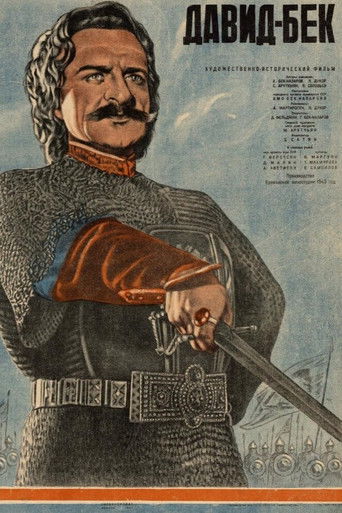
The Armenian national hero, David Bek, leads a major Armenian uprising against Safavid Persia in the Syunik region in the 18th century.
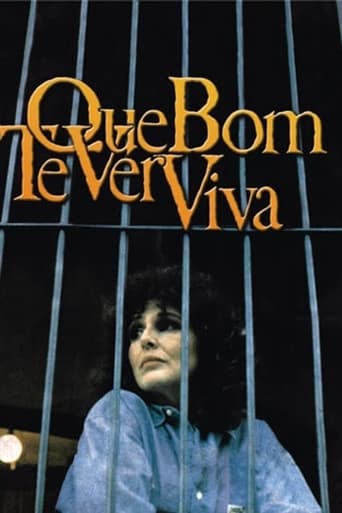
Four years after a military coup overthrew the Brazilian government in 1964, all civil rights were suspended and torture became a systematic practice. Using a mix of fiction and documentary this extraordinary film is a searing record of personal memory, political repression and the will to survive. Interviews with eight women who were political prisoners during the military dictatorship are framed by the fantasies and imaginings of an anonymous character, portrayed by actress Irene Ravache.
Filmed on the great Mackenzie River, this short fiction film recreates the amazing voyage of the man who gave his name to it. Following the path outlined in Mackenzie's journal, the film depicts his arduous journey by canoe all the way to the salt water of the Arctic Ocean - one of the great epics of northern exploration.
Travel through the streets of Rochester and you’ll find some extraordinary architecture. From California bungalows to English Tudors, French colonials to Victorians, the Flour City is home to so many beautiful dwellings. WXXI takes you on a private tour inside some of these exquisite house in Great Homes of Rochester.
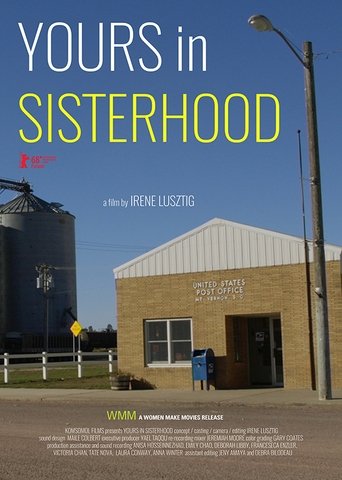
What might be revealed in the process of inviting strangers to act out and respond to 1970s feminism forty years later? Between 2015 and 2017, hundreds of strangers in communities all over the US were invited to read aloud and respond to letters from the 70s sent to the editor of Ms. Magazine–the first mainstream feminist magazine in the US. The intimate, provocative, and sometimes heartbreaking conversations that emerge from these spontaneous performances make us think critically about the past, present, and future of feminism.
Activate your FREE Account!
You must create an account to continue watching